Punta Cana
marzo 18, 2026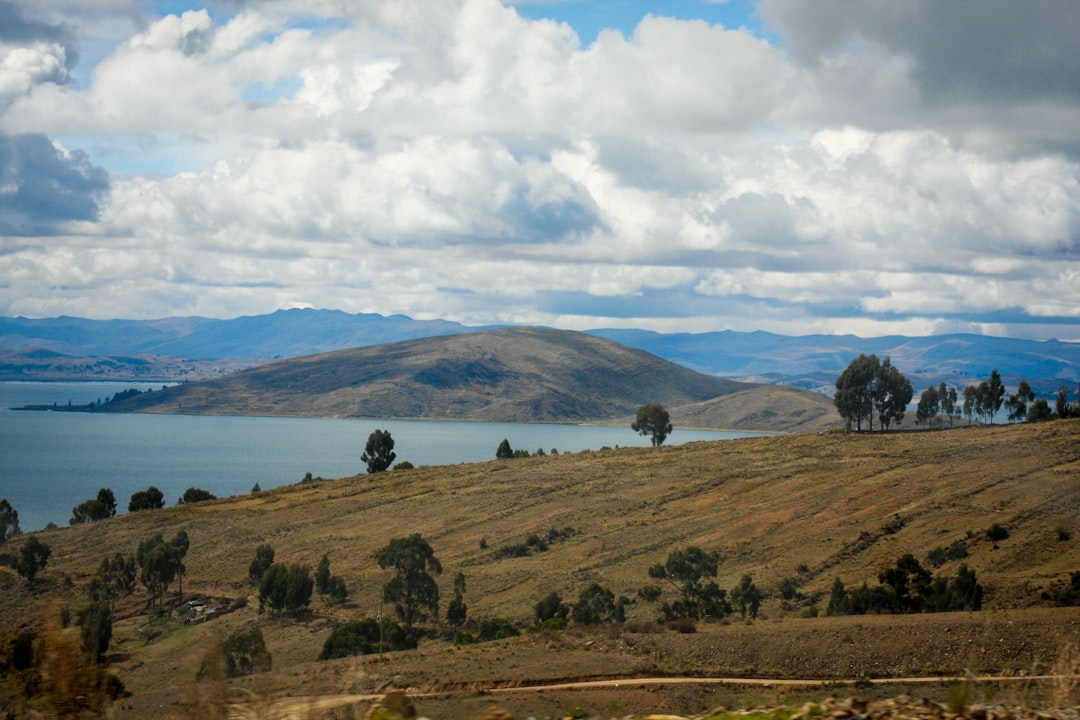
So, you’re curious about Lake Titicaca. That’s fantastic! It’s a place that really lives up to the hype, and not just because of its wonderfully amusing name. This vast, high-altitude lake straddling the border of Peru and Bolivia is more than just a pretty view; it’s a living, breathing cultural and natural wonder. If you’re wondering what makes it so special and worth visiting, the answer is pretty straightforward: its sheer scale, its unique human history deeply tied to the water, and the breathtaking landscapes it carves out. It’s a destination that offers a genuine connection to ancient traditions and stunning natural environments, all at an altitude that will make you feel on top of the world.
Lake Titicaca is quite literally a high-achiever. Situated in the Andes Mountains at around 3,812 meters (12,507 feet) above sea level, it’s considered the highest navigable lake in the world. This isn’t just a fun fact; it has a significant impact on your experience there. The air is thin, which means you’ll notice your breathing and might feel a bit breathless, especially if you’re coming from sea level. Taking it easy on your first day, staying hydrated (with water, not just coca tea!), and minimizing strenuous activity are key to acclimatizing.
El Gran Lago: Size Matters
Despite its impressive altitude, Titicaca is also massive. It’s the largest lake in South America by volume of water. This vastness means it has a profound influence on the local climate, creating microclimates that allow for agriculture in an otherwise harsh environment. The sheer expanse of water under those big Andean skies is a sight to behold, and it’s easy to forget you’re sitting atop a continent when gazing out at its horizon.
Geografía Andina: Peaks and Plateaus
The lake sits within the Altiplano, a vast, high plateau that stretches across Bolivia and Peru. It’s surrounded by rugged mountains, some snow-capped, casting dramatic shadows over the water. This dramatic backdrop is an integral part of Titicaca’s allure, framing the lake and its islands in a way that feels both majestic and intimate. The stark beauty of the Altiplano is a powerful reminder of the raw forces of nature that shaped this region.
Whispers of the Ancients: Inca Origins and Mythology
Lake Titicaca is not just a natural wonder; it’s a cradle of ancient civilizations, most famously the Incas. For them, the lake was a sacred place, the birthplace of their empire and the sun. This deep spiritual connection has been preserved, making Titicaca a living museum of pre-Hispanic beliefs and ways of life.
Origen Divino: El Mito de Manco Cápac y Mama Ocllo
According to Inca legend, Manco Cápac and Mama Ocllo, the first Inca rulers, emerged from the waters of Lake Titicaca. Sent by their father, the Sun God Inti, they were tasked with civilizing the land. They carried a golden staff, and wherever it sank into the earth, they were to establish their capital. This myth highlights the lake’s central role in Inca cosmology and explains why many important Inca ruins are found on the lake’s islands.
El Dios Sol y la Creación
Inti, the Sun God, is paramount in Inca mythology, and Lake Titicaca is believed to be the place where he first shone his light, bringing life to the world. This belief imbued the lake with immense spiritual significance, making it a pilgrimage site and center of worship. You can still feel this sense of reverence when you visit, especially at sites associated with these ancient beliefs.
Islands of Tradition: The Floating Uros and Beyond
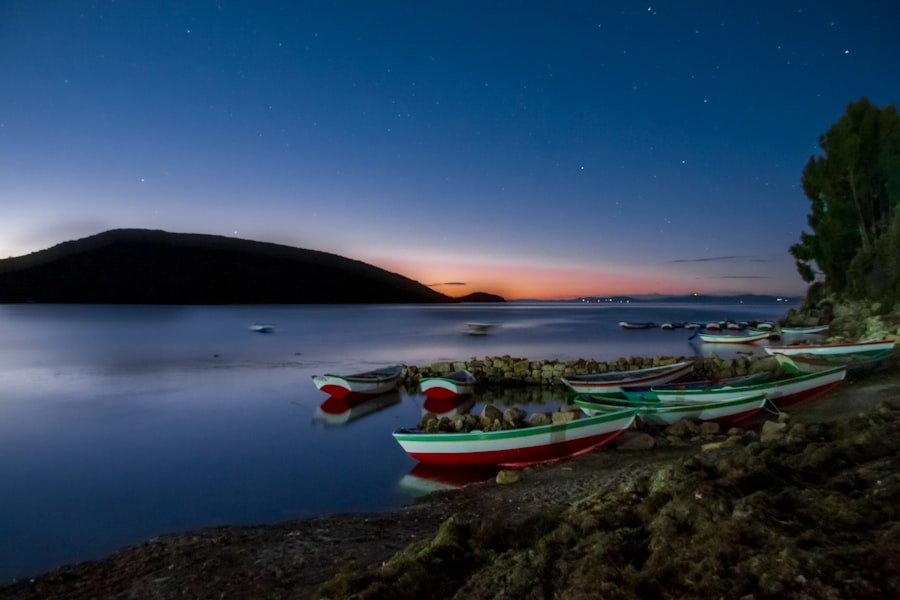
The most famous inhabitants of the lake, and perhaps its most unique attraction, are the Uros people and their ingenious floating islands. But Titicaca’s islands are far from being a one-trick pony. Beyond the Uros, you’ll find islands with ancient ruins, thriving communities, and remarkable natural beauty, each offering a distinct window into the life and history of the lake.
Las Islas Flotantes de los Uros: Un Esfuerzo Humano Ingenioso
The Uros, an indigenous group, have lived on the lake for centuries, and their primary adaptation is the creation of artificial islands made from totora reeds. These islands are constantly being replenished as the bottom layer decomposes. Living on these fragile foundations requires a deep understanding of the lake and its rhythms. Visiting the Uros offers a fascinating glimpse into a way of life that is both incredibly resourceful and deeply connected to the natural environment. Prepare for close interaction; it’s a very personal experience.
La Vida en la Totora: Viviendas y Costumbres
The houses and boats of the Uros are also constructed from totora reeds. Walking on the islands feels soft and springy, a constant reminder of their unique construction. The Uros community is welcoming, and they are keen to share their traditions, from weaving to fishing. It’s important to approach this interaction with respect and an understanding of their way of life.
Isla Taquile: El Tejido y la Armonía Comunitaria
Further out in the lake lies Isla Taquile, a much larger and more conventional island. Taquileños are renowned for their exceptional textile craftsmanship, particularly the intricate knitted items produced by the men. Life on Taquile is organized around a communal system, where decisions are made collectively. It’s a place that promotes a slower pace of life and emphasizes community values.
Hombres Tejedores: La Tradición de la Textilería
On Taquile, knitting is considered a male art form, passed down through generations. The skill and artistry involved are remarkable, and their textiles are highly valued for their beauty and durability. You’ll have opportunities to see these traditions firsthand and perhaps even purchase some authentic Taquile work.
Isla Amantaní: Cumbre Sagrada y Hospitalidad Rural
Isla Amantaní is another significant island, known for its agricultural terraces and its twin peaks, Pachatata and Pachamama, considered sacred by the locals. The island offers a more rural and intimate experience. Many visitors stay with local families, experiencing genuine Andean hospitality and learning about their daily lives.
Hospedaje con Familias Locales: Una Inmersión Cultural Verdadera
Staying with a host family on Amantaní is often a highlight for travelers. It provides an unfiltered look into daily routines, meals prepared from local produce, and an opportunity for genuine cultural exchange. It’s a chance to connect on a personal level and understand the challenges and joys of life on the lake.
Navigating the Waters: Getting Around Lake Titicaca
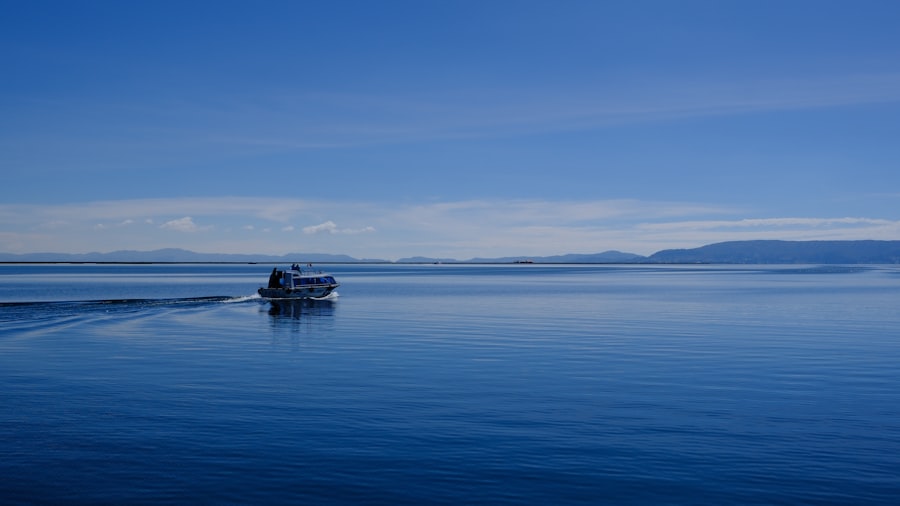
The lake’s vastness means that getting around is an adventure in itself, with boats being the primary mode of transport. Whether you’re hopping between islands or enjoying a scenic cruise, the journey across Titicaca is an integral part of the experience.
Embarcaciones Típicas: Lanchas y Barcos Turísticos
Most visitors will travel on either small, fast motorboats (lanchas) or larger, more comfortable tourist boats. Lanchas are common for day trips to the Uros and are often privately hired or part of organized tours. Larger boats are used for longer excursions, cruises, and transfers between Puno (Peru) and Copacabana (Bolivia).
El Cruce Peruano-Boliviano: Cruzando Fronteras por Barco
Crossing the border between Peru and Bolivia via Lake Titicaca is a popular route. The journey often involves disembarking and going through immigration and customs procedures, with the lake providing a dramatic and scenic transition between the two countries. Be prepared for some administrative steps, but the views are worth it.
Navegación a Motor y a Vela: Opciones para Explorar
While motorboats are prevalent for efficiency, some tours might offer sailing experiences, utilizing the winds that are often present on the lake. The choice of boat can influence the speed and style of your exploration, offering different perspectives of the lake’s vastness.
Practicalities for Your Visit: Preparing for the Altiplano
Visiting Lake Titicaca requires a bit of preparation, especially considering the altitude and the remote nature of some of its attractions. Being prepared will ensure you have a more comfortable and enjoyable trip.
Altitud y Salud: Consejos para Aclimatarse
As mentioned, acclimatization is key. Drink plenty of water, avoid excessive alcohol and heavy meals on your first day, and consider coca tea or leaves (readily available and traditionally used). If you have any pre-existing health conditions, it’s wise to consult your doctor before your trip. Altitude sickness can range from mild headaches to more severe symptoms, so being aware and precautionary is important.
Clima y Vestimenta: Capas Son Clave
The weather on Lake Titicaca can change rapidly, even within a single day. Temperatures can be surprisingly warm in the direct sunlight but drop significantly once the sun sets or clouds roll in. Packing layers is essential. Think moisture-wicking base layers, a warm fleece or down jacket, a windproof and waterproof outer shell, a hat, gloves, and sunglasses.
Dinero y Pagos: Efectivo Es Necesario
While some hotels and larger tour operators in Puno and Copacabana accept credit cards, many smaller guesthouses, local markets, and island communities operate on a strictly cash basis. It’s advisable to carry enough local currency (Peruvian Soles or Bolivian Bolivianos, depending on your starting point) for your expenses. ATMs are available in the main towns, but it’s good to have some cash on hand when heading to the islands.
Turismo Responsable: Respeto por la Cultura y el Medio Ambiente
When visiting Titicaca, remember you are a guest. Be respectful of the local cultures, ask permission before taking photos of people, and be mindful of your environmental impact. Supporting local communities through responsible tourism – buying local crafts, eating at local eateries, and choosing eco-friendly tour operators – can make a significant difference.
Beyond the Islands: Exploring the Shores of Lake Titicaca
While the islands are often the main draw, the areas surrounding Lake Titicaca, both in Peru and Bolivia, offer their own unique attractions and experiences. The lake is the heart, but its shores are the veins that bring life to the region.
Puno, Perú: Puerta de Entrada y Centro Cultural
Puno is the main gateway to Lake Titicaca on the Peruvian side. It’s a bustling city with a vibrant atmosphere, colonial architecture, and a strong indigenous cultural presence. From Puno, you can organize boat tours to the Uros, Taquile, and Amantaní. The city also has interesting museums and lively markets.
El Folclore de Puno: Música y Danza Tradicional
Puno is known as the folkloric capital of Peru, especially during the annual Candelaria festival in February. The city is alive with traditional music and dance, and you can often witness performances or stumble upon local musicians practicing their craft. These vibrant expressions are a testament to the region’s rich cultural heritage.
Copacabana, Bolivia: Encanto Lacustre y Peregrinación
Copacabana is the main tourist hub on the Bolivian side of the lake. It’s a charming town nestled by the water, famous for its basilica where pilgrims come to have their cars blessed before journeys. It’s also the launching point for trips to Isla del Sol and Isla de la Luna.
Isla del Sol: El Lugar de Nacimiento del Imperio Inca
Isla del Sol (Island of the Sun) is perhaps the most significant island for Inca mythology on the Bolivian side. Believed to be the birthplace of the Inca Sun God Inti and the Inca civilization itself, it’s dotted with ancient ruins and offers spectacular hiking opportunities with breathtaking lake views.
Isla de la Luna: Ruinas y Serenidad
Nearby Isla del Sol is Isla de la Luna (Island of the Moon), home to the ruins of a temple dedicated to the moon goddess. It’s often visited in conjunction with Isla del Sol and offers a quieter, more serene experience. The views of the lake and surrounding mountains from Isla de la Luna are particularly stunning.
El Mausoleo de Chucuito: Historia y Arquitectura Precolombina
While not directly on the lake, the small town of Chucuito, near Puno, boasts the «Mausoleo,» a pre-Inca burial ground believed to have been built by the Colla people. It’s an interesting site for those interested in the archaeological history of the region predating the Incas.
La Reserva Nacional del Titicaca: Vida Silvestre y Ecosistemas
The lake is also a vital habitat for various bird species and aquatic life. The Peruvian side, in particular, has designated parts of the lake as the Reserva Nacional del Titicaca, a protected area aimed at preserving the unique ecosystems and wildlife, including the endemic Titicaca water frog. While not a major tourist attraction in itself, it highlights the ecological importance of the lake.
Lake Titicaca is a destination that truly engages the senses and the mind. It’s a place to marvel at nature’s grandeur, connect with ancient cultures, and appreciate the resilience of human adaptation. From its soaring altitude to its deep cultural roots, Titicaca offers an experience that is both profound and unforgettable.